
Introduction
CBD vaping has rapidly gained popularity as one of the fastest and most effective ways to experience the benefits of cannabidiol (CBD). With sleek vape pens, flavorful e-liquids, and instant effects, it’s no wonder people are reaching for CBD vapes for relief from anxiety, stress, pain, and sleep issues. But as the CBD vape market grows, so do the questions: Is vaping CBD truly safe? What does science say about the risks and rewards of inhaling this natural compound?
In this comprehensive, science-based guide, we’ll explore how vaping CBD works, its potential health benefits, the risks associated with vape products, and how to choose safe, high-quality options.
What Is CBD Vape?
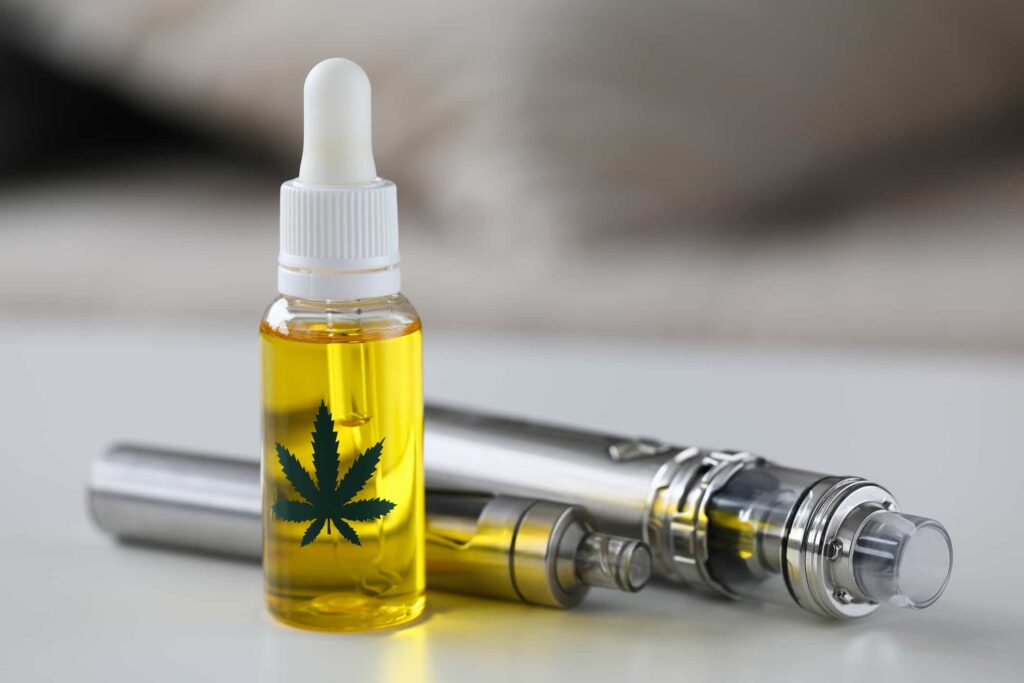
CBD vape refers to inhalable vaporized cannabidiol, typically delivered through:
- Disposable vape pens – pre-filled and ready to use
- Cartridges or pods – attach to rechargeable batteries
- CBD vape juice – a liquid that you add to refillable vape devices
CBD vape products are usually made with CBD extract (isolate, broad-spectrum, or full-spectrum) suspended in a base liquid such as propylene glycol (PG) and vegetable glycerin (VG), which help create vapor when heated.
The major appeal of vaping CBD lies in its fast-acting effects—users can begin to feel relief in as little as 1–5 minutes, compared to 30–90 minutes with edibles.
How Vaping CBD Interacts with Your Body
When you inhale vaporized CBD, it enters your lungs and diffuses directly into your bloodstream via the alveoli (tiny air sacs in the lungs). This bypasses digestion and liver metabolism, making CBD vaping one of the most bioavailable delivery methods, with absorption rates estimated between 34–56%, compared to only 6–19% for oral CBD.
Once in your bloodstream, CBD interacts with your endocannabinoid system (ECS)—a regulatory system made up of cannabinoid receptors (CB1 and CB2), endocannabinoids, and enzymes. The ECS helps maintain balance in key functions like:
- Mood regulation
- Pain sensation
- Immune response
- Sleep-wake cycles
- Inflammation control
CBD enhances ECS activity by inhibiting enzymes that break down endocannabinoids and influencing non-cannabinoid receptors like serotonin and TRPV1, which play roles in mood and pain regulation.
Potential Benefits of Vaping CBD
Scientific studies and user reports suggest several health benefits associated with CBD—many of which are amplified by vaping due to faster delivery and higher absorption:
1. Anxiety and Stress Relief
Numerous users report near-instant calming effects when vaping CBD. Research supports this:
- A 2019 study in The Permanente Journal showed that 79% of participants experienced reduced anxiety within the first month of CBD use.
- CBD acts on serotonin receptors, contributing to its anxiolytic effects.
2. Pain and Inflammation Relief
CBD has demonstrated analgesic and anti-inflammatory effects in several studies:
- It may help with neuropathic pain, arthritis, and muscle inflammation by acting on TRPV1 and CB2 receptors.
- Vaping allows these effects to occur rapidly, making it appealing for people managing acute or chronic pain.
3. Improved Sleep
CBD may help regulate circadian rhythms and reduce anxiety that interferes with sleep. Vaping CBD before bedtime can promote relaxation and help you fall asleep faster.
4. Focus and Mood Enhancement
In small to moderate doses, CBD may support cognitive clarity and a balanced mood—making it a popular choice for daytime use without the psychoactive effects of THC.
The Safety Profile of CBD: What Science Says
CBD is widely considered to have a high safety profile, even at high doses. The World Health Organization (WHO) declared in 2018 that:
CBD is generally well tolerated with a good safety profile… There is no evidence of recreational use or public health-related problems associated with the use of pure CBD.
Common side effects of CBD, particularly at high doses, include:
- Dry mouth
- Drowsiness or fatigue
- Lightheadedness
- Changes in appetite
- Diarrhea
However, these side effects are typically mild and temporary, and vaping CBD in moderate amounts tends to produce fewer issues than other delivery methods.
The Real Safety Concerns: Vaping as a Delivery Method
While CBD itself is considered safe, vaping as a method of consumption raises legitimate health concerns—especially when it involves poorly regulated or low-quality products. The biggest issues include:
1. Contaminated Vape Liquids
Some unregulated vape products may contain:
- Vitamin E acetate, linked to EVALI (E-cigarette or Vaping Product Use-Associated Lung Injury)
- Heavy metals from poor-quality hardware
- Residual solvents or pesticides from improperly processed CBD
- Artificial flavorings, which may break down into toxic compounds when heated
Inhaling these substances can lead to lung irritation, allergic reactions, or worse. This was seen in the 2019 EVALI outbreak, primarily caused by THC vapes but also raising red flags about vape safety in general.
2. Base Liquids (PG/VG)
Most CBD vape juices contain propylene glycol (PG) and vegetable glycerin (VG). While generally regarded as safe for ingestion, heating them to high temperatures may produce potentially harmful byproducts like formaldehyde and acetaldehyde.
Though the long-term effects of inhaling PG/VG are still under investigation, people with asthma or respiratory conditions may experience irritation or wheezing.
3. Lack of Regulation
The CBD industry is still loosely regulated, especially in the vaping sector. This means not all products are tested for purity, potency, or contaminants, putting consumers at risk.
How to Vape CBD Safely
If you choose to vape CBD, here’s how to reduce your risks and get the most benefit:
1. Choose Reputable Brands
Look for companies that provide:
- Third-party lab results (COAs) for every batch
- U.S.-grown, organic hemp
- Transparent labeling of ingredients and CBD content
- No artificial thinning agents or vitamin E acetate
2. Use Proper Equipment
Invest in a high-quality vape pen or battery with adjustable voltage and good temperature control. Avoid overheating your vape juice, as high temperatures can increase the formation of harmful compounds.
3. Start Low, Go Slow
Begin with a low dose (1–2 puffs) and wait 15–30 minutes to assess how you feel. Because vaping delivers effects quickly, there’s less risk of overconsumption than with edibles.
4. Monitor Your Body
Watch for signs of irritation (e.g., coughing, chest tightness, headaches). If symptoms occur, discontinue use and consult a healthcare professional—especially if you have pre-existing lung issues.
Also Read: The Best CBD Vape Flavors to Try in 2025
Who Should Avoid CBD Vapes?
While CBD vaping can be safe for many adults, some groups should exercise extra caution or avoid it entirely:
- People with lung or respiratory conditions (e.g., asthma, COPD)
- Pregnant or breastfeeding women
- Children and adolescents
- People taking medications metabolized by the liver (CYP450 pathway) – CBD can interfere with drug metabolism
Always consult your doctor before beginning any CBD regimen, especially if you have medical conditions or are taking prescription medications.
Alternatives to Vaping CBD
If vaping isn’t for you or you’re concerned about respiratory risks, there are many other effective ways to consume CBD:
- CBD oil tinctures – versatile and fast-absorbing when taken sublingually
- CBD capsules/softgels – precise, convenient dosing
- CBD edibles – tasty and long-lasting, though slower to take effect
- CBD topicals – ideal for localized pain or skin conditions
Each method has its own onset time, duration, and bioavailability, so choose based on your lifestyle and wellness goals.
Conclusion
Vaping CBD can be safe and highly effective—if you use high-quality, lab-tested products and vape responsibly. It offers rapid relief and high absorption, making it a powerful tool for managing anxiety, pain, and other wellness concerns. However, it’s not without risks, especially if you use poorly made products or have pre-existing respiratory issues.
The key is informed decision-making: Know what you’re inhaling, understand your body, and choose brands that prioritize safety and transparency.
As research evolves and regulations tighten, the safety profile of CBD vaping will become clearer. Until then, use science—and a healthy dose of caution—to guide your choices.